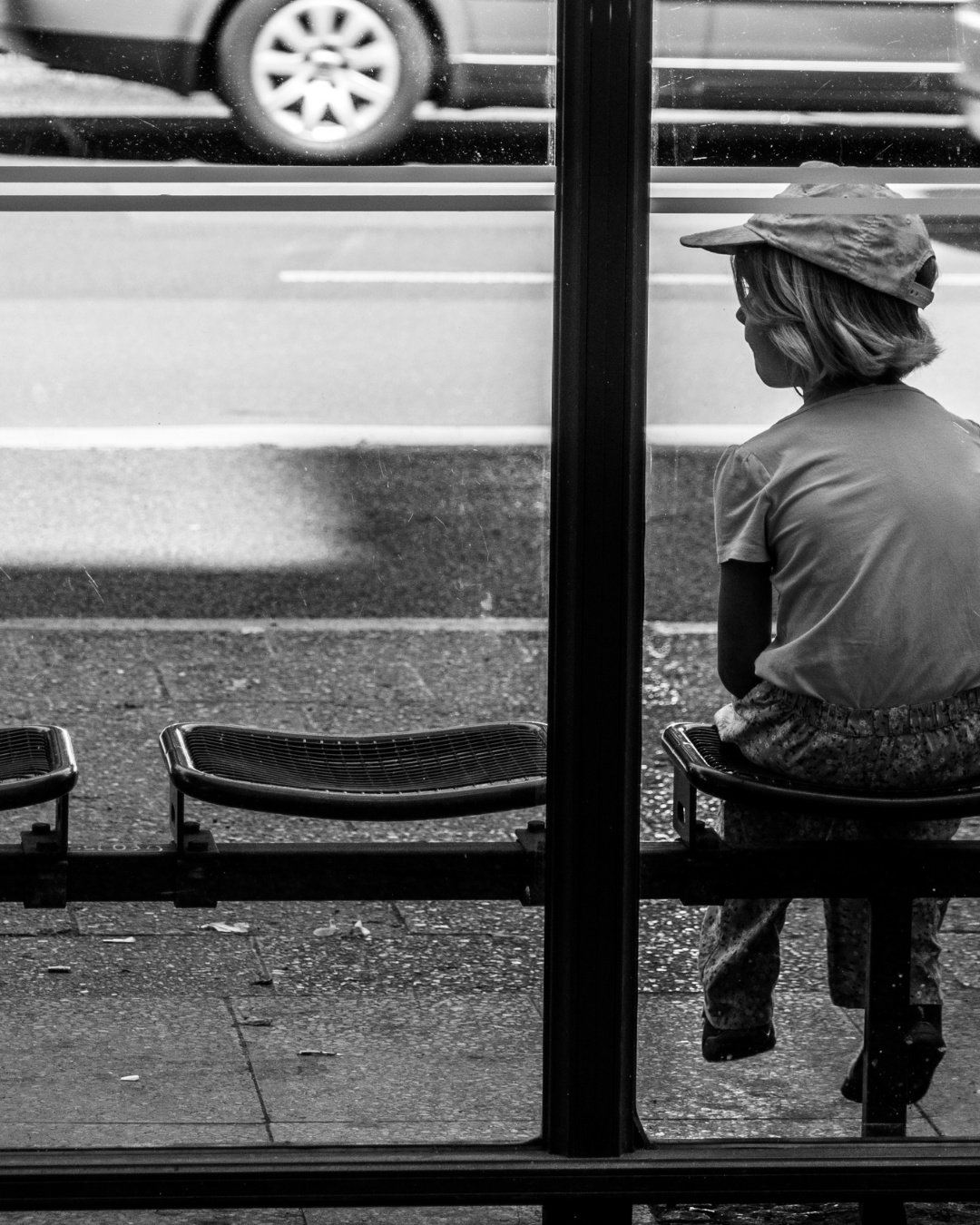
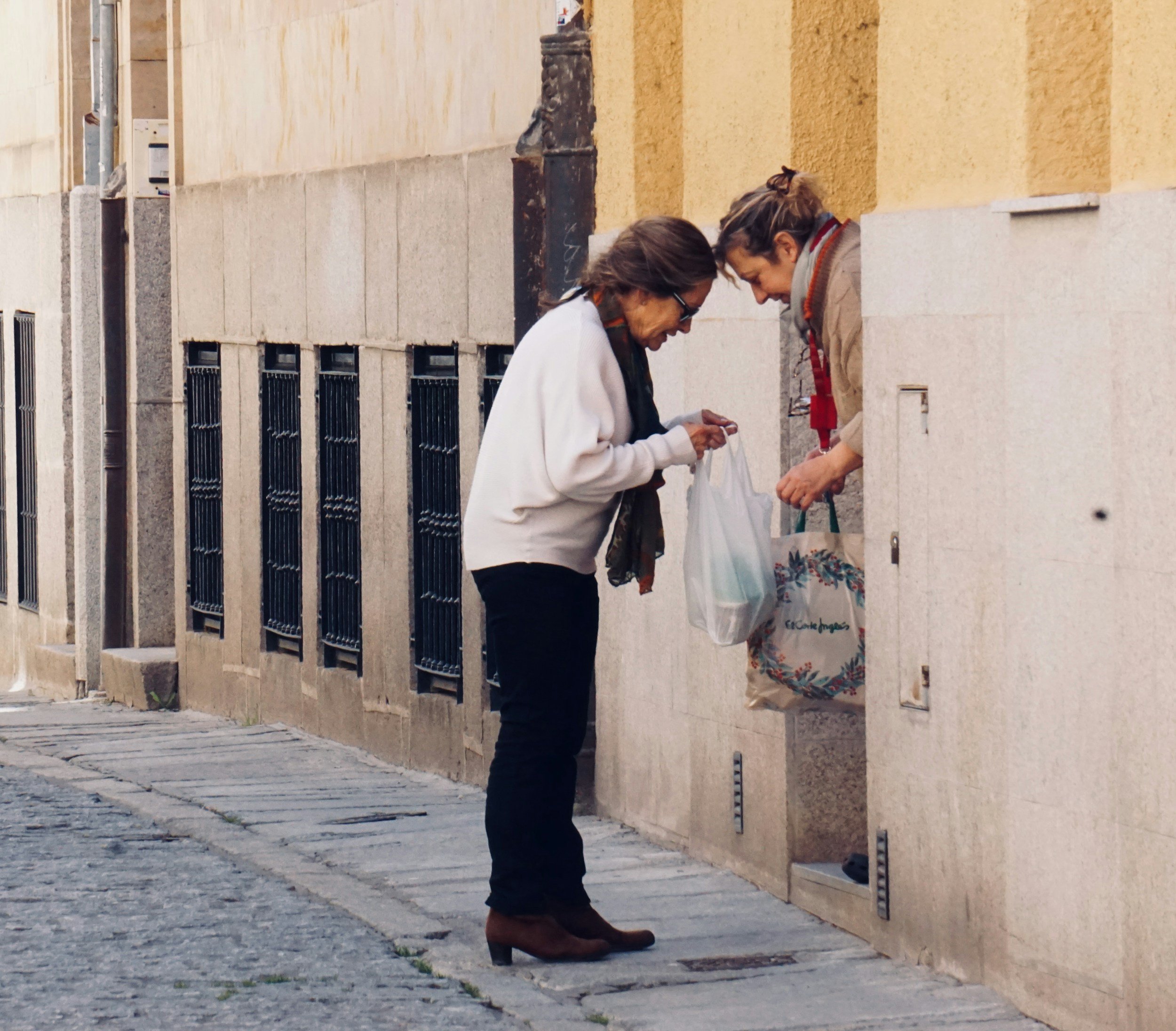
Everyone Wants Friends. Nobody Wants to Go First.
“I find the ******** area to be a difficult area. Rather unfriendly.... Oh folks will speak to you but then the walls go up. Can anyone explain this?”
I read this post on a local FB community group and I could not believe the timing. I heard the exact same sentiment from two other people recently, one that very same night. It got me thinking, what could be going on here? If you read the over 100 comments on this post, you’ll find exactly what you’d expect. Some people agreeing, some people disagreeing and some nasty, angry, or just plain weird remarks. How could some people experience total disillusion and others find such a welcoming place that they moved here for it? As often happens when something flummoxes me, I ponder it for about a week and then write to all of you about it. Come with me, dear reader, and let’s embark on a little thought experiment.
It seems the FB poster wants interactions that go beyond small talk since they have found that people will speak but not engage further, so we’re going to assume they are looking to make friends. Shasta Nelson, an expert in friendship, says there are three components to make a friendship thrive: positivity, consistency, and vulnerability. Let’s suspend, for the sake of this exercise, positivity, since posting anonymous things like this to FB points to a distinct lack thereof. That leaves us with consistency and vulnerability. Consistency is fairly straightforward. It means showing up, again and again, in the same places, seeing the same people. Familiarity breeds trust. Wolves gain territory by walking it every day, by showing up and being there. It is not their territory on the first day, but eventually, with time and repetition, it starts to feel like home. I feel vaguely wolf-like, walking the streets of my hometown day in and day out.
That leaves us with vulnerability. And it is here, specifically, that I begin to take umbrage. I have this working theory that the increase in people saying they don’t feel seen is in direct proportion to the decrease in our ability to be vulnerable. All the performative sharing that is now so familiar to us is slowly eroding our capacity to be real even if we are not the ones posting. The everpresent threat of judgement in our online world has had the effect of closing us off. When the idea of speaking to others, putting ourselves out there, feels like inviting conflict, our response is simply to retract. We have lost something worth fighting for. Being seen, feeling known, is one of the deepest human needs. When we shut down our vulnerability to protect ourselves from possible negative interactions, it has the unintended effect of keeping out the positive ones, too.
So here’s what this thought experiment invites us to consider: if you find those around you unfriendly, if you feel like people are closed off to you, step back and assess how much you’ve offered to others. How positive, consistent, and vulnerable have you been in your efforts? And vulnerability doesn’t have to mean oversharing or baring your soul to strangers. Sometimes it looks like being the first person to ask a real question instead of a polite one. It looks like admitting you’re new, or lonely, or unsure where you fit yet. It looks like risking mild awkwardness by following up, inviting someone for coffee, or saying, “I’ve really enjoyed talking with you,” instead of assuming the other person should make the next move. Connection almost always requires someone to go first, and most of us are hoping it won’t have to be us.
So if you’re feeling shut out, try this small experiment. Instead of asking, “Why are people here so unfriendly?” ask, “Who do I want to be? How do I want to show up?” Decide to become that person and prove it to yourself in every interaction.
If this resonated, you’re not alone. I write regularly about the invisible mechanics of connection, how friendships form, why belonging feels harder than it should, and what actually helps. Let’s do it together. Get started here.